|
|
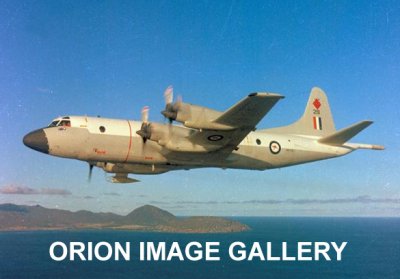
L-185B ORION TAP-3B-85-LO
L-185B ORION P-3B-75-LO(Spares Aircraft)
L-185B ORION P-3B-75-LO(Rejected)
|
|||||||||||||||||||||||||||||||||||||||||||||||||||||||||||||||||||||||||||||||||||||||||||||||||||||||||||||||||||||||||||||||||||||||||||||||||||||||||||||||||||||||||||||||||||||||||||||||||||||||||||||||||||||||||||||||||||||||||||||||||||||||||||||||||||||||||
|
NOTES
|
|
|
1
|
The TAP-3B aircraft were acquired to serve as trainers/transports to conserve the airframe life of the operational P-3C fleet. |
|
2
|
The last recorded flight by a TAP-3B was by A9-438 on 18FEB04 using the call-sign "Sealion 51". It is understood that the official retirement date for the TAP-3B fleet was 20FEB04. Subsequently, the aircraft have been used for parts. |
|
SOURCES
|
|
|
1
|
ANAO Audit Report No. 10 (2005-2006) See extracts below. |
|
2
|
SAAJ V.26 N. 4 SAAJ - South Australian Air Journal produced by Nigel Daw. |
|
3
|
SAAJ V.27 N.2 SAAJ - South Australian Air Journal produced by Nigel Daw. |
|
4
|
SAAJ V.28 N.1 SAAJ - South Australian Air Journal produced by Nigel Daw. |
|
5
|
ADF-Serials website. http://www.adf-serials.com.au/3a9.htm |
|
6
|
Joe Baugher http://www.joebaugher.com/navy_serials/navyserials.html |
|
Auditor-General's Audit Report No. 10 (2005-2006) |
|||||||||
|
The following is extracted from Audit Report No. 10 (2005-2006) titled "Upgrade of the Orion Maritime Patrol Aircraft Fleet" issued by the Australian National Audit Office. The extract covers only the section relevant to: "The purchase, under the United States (US) Foreign Military Sales (FMS) system, of three second-hand Orion aircraft and their modification to a training and utility (that is, passenger and cargo transport) aircraft (designated TAP-3 – Training Australian P-3) and acquisition of a fourth aircraft to become a source of spare parts." Acquisition and Refurbishment of Second-hand aircraft (Chapter 3) 21. Project Air 5276 included the acquisition of three Orion training aircraft, designated as TAP-3s. Their main purpose (primary mission) was to reduce the training burden from the main Orion fleet, thus extending the service life of that fleet. The three TAP-3s only achieved about 300 dedicated flying training hours a year against a target of more than 1,200 hours. Also, the full fleet of three aircraft was only used from February 1999 to November 2003. 22. Air Force mainly flew the TAP-3s as utility aircraft. In carrying out that role, the aircraft helped to ensure that No. 92 Wing's Orion pilots maintained flying currency on the aircraft. There are no cost comparisons available to determine whether the use of the TAP-3s for the utility aircraft role was cost-effective. Defence considers that the availability of the TAP-3 aircraft provided operational flexibility which was significant but difficult to cost. 23. During their in-service period, the TAP-3 aircraft usually flew about 1 050 hours a year (750 hours in the transport role, 300 hours on pilot and crew training). On transport (including logistic resupply and repair) flights, the TAP-3 aircraft provided a considerable amount of continuation flying training 8 to the Orion pilots. This was flying training that would not have been available at the time because of low numbers of available P-3C aircraft and the low fidelity of the flight simulator in service at the time. Defence considers that without the TAP-3 flights, No. 92 Wing would not have been able to maintain currency of all of its assigned pilots, and that the TAP-3 aircraft were valuable by providing options for additional operational tasking on a day to day basis, particularly when the C-130 transport fleet was very busy 24. Defence chose the FMS route for this element of the Project because FMS was considered to offer advantages on cost, schedule and risk. From contract signature (February 1994) to completion of this element (December 1998), contract costs rose from $US 31 million to $US 37.79 million, and total costs of the TAP-3 acquisition from an estimate of $A 42 million to $A 53.92 million.9 25. Delays in the delivery of the three refurbished TAP-3 aircraft were 9, 19 and 25 months, respectively. This schedule slippage was estimated by Air Force to cost about $US 5 200 per working day in project management and engineering overheads. Cost escalation and delivery delays were due in part to an underestimation of the cost and delivery time implications of the differences in Air Force's servicing requirements and standards compared to US Navy aircraft servicing practices at the time. There was inadequate consideration by Defence of the implications of signing a 'cost-plus' agreement, which provided less than full visibility and auditability on some technical and financial aspects. 26. The ANAO found that the main factors contributing to the problems experienced in the acquisition of the second-hand Orion aircraft included:
NOTES:
|
| Issue | Date | Remarks |
|---|---|---|
| 7 | 29DEC22 | |
| 6 | 11DEC18 |
Links
to Orion images have been removed from
this page. For images please visit the
Orion Gallery.
|
| 5 | 25FEB18 |
Updated
table data from sources shown in an added
Sources table. For clarity, P-3B 152760
has been moved from the P-3B page to this
page as the aircraft was acquired as a
spares source to support the TAP-3B project.
|
| 4 | 07SEP15 |
Table
completely reformatted. Nil change to
data.
|
| 3 | 18JUN08 |
Added
images of A9-434, A9-438 and A9-439 in
a parted-out state at Edinburgh in October
2007. Thanks to Richard Siudak for the
images.
|
| 2 | 06JUN08 |
Added
a report from the ADF Serials website
that A9-434 and A9-438 have been broken
up for scrap.
|
| 1 | 11OCT05 |
Previously,
all Orions were presented on the one page.
Effective from this date, there are separate
pages for each type, P-3B, TAP-3B and
P-3C. If required, the previous summary
of updates can be viewed here.
|
|
Return to the Orion Menu |
 |
|
Return to The Lockheed File |
 |